Once some other journalists and I were dining with the Archbishop of Jamaica. We were all reporting on an organization called Food for the Poor which, naturally enough, gave food to the poor of Jamaica and Haiti. (I was originally supposed to go to Haiti when violence erupted. When they began to shoot presidential candidates, I wasn’t worried. There was not much chance I could be mistaken for a presidential candidate. But then they started shooting journalists, which we all could be mistaken for, and the itinerary was changed. But I digress.)
After His Grace had left, we journalists continued talking among ourselves. One guy said he had really wanted to ask the Archbishop this question: “Your Grace, a question and a follow-up. If you could be any animal, what would you be? And why?”
It seemed a splendid question, and I vowed that I would someday use it. (I’ve also vowed that the next time I got caught in one of those round-robin “Say something you like about yourself” ice-breakers, I would say, “I really love my peaches, and I can totally shake my own tree.” But I digress again.)
I dined with some Irish journalists once, but didn’t try it out then. They were already looking askance at me because I asked who they thought would win the Eurovision pop singing contest, when they were more interested in American presidential politics and whether Jesse Jackson had a chance in hell. (He didn’t.)
I interviewed Bob Keeshan (aka Captain Kangaroo), but again chickened out. He was so impassioned about children’s issues. (One of our other writers got to interview Fred (Mr.) Rogers. I think I might have tried it out on him. But I digress yet again.)
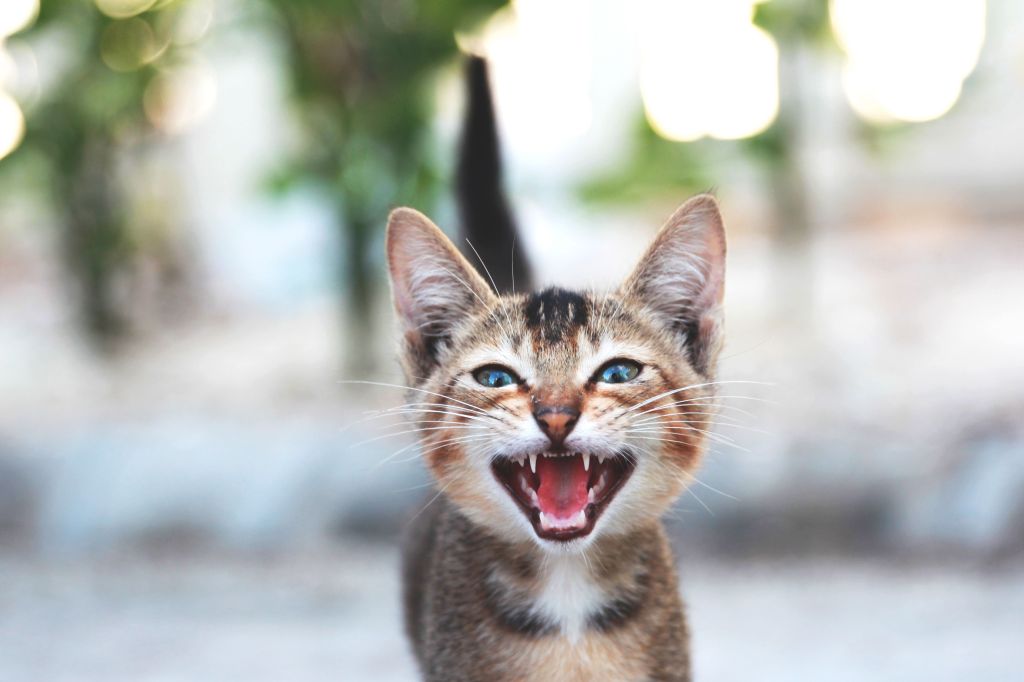
When I asked my friends the question(s), they all said they’d be cats—but only if they could be their own pets. All pampered, no strays. (I didn’t get the impression that they wanted to be purebred cats with diamond collars. Just to have full food and water bowls, some toys, a human who would offer snuggles and petting, a warm place to sleep, occasional treats, and all the love and attention they desired. But I digress some more.)
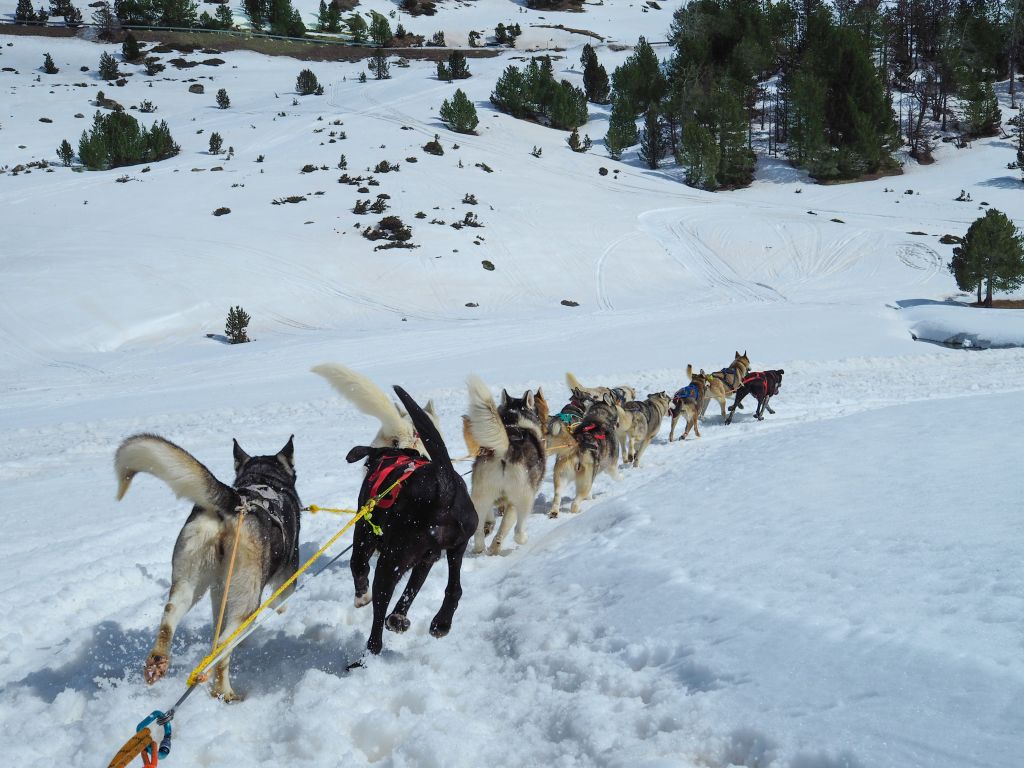
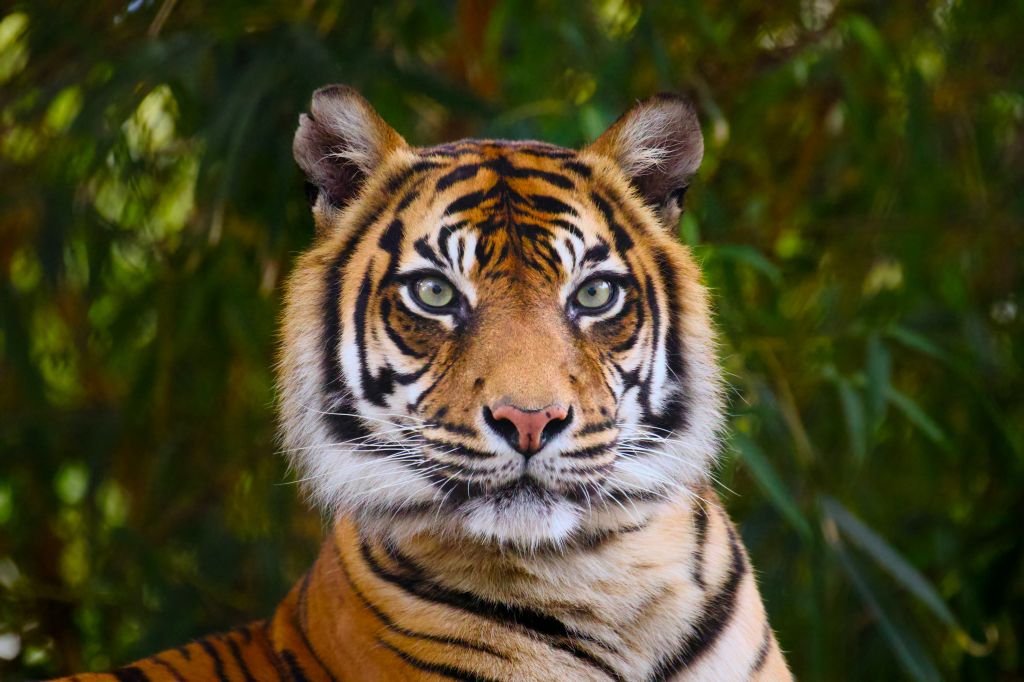
Once when I was teaching English to a group of young adults, I gave them the questions as a writing assignment. The answers were revealing. Half the class wanted to be eagles, falcons, or migratory birds. The other half wanted to be apex predators—lions, tigers, jaguars, sharks, and the like. What I got from their answers was that they wanted either freedom and escape, or power.
Finally, at long last, I got a proper answer to my questions. It was at a book signing by Jenny Lawson (aka The Bloggess). After the reading but before the line-up for signed copies and photos, there was indeed a question-and-answer session. Jenny Lawson is quite well-known for being eccentric (not to say peculiar), with a great and idiosyncratic sense of humor. Here was the perfect opportunity to spring my question.
As soon as the Q and A was announced, my hand shot up, and I was promptly called on. “A question and a follow-up. If you could be any animal, what would you be? And why?”
Jenny blinked, obviously taken aback. I felt quite sure that she had never been asked this at a Q and A before. But it didn’t rattle her.
“A tapeworm,” she replied. “ Because I could just lie there and people would throw food down at me. I wouldn’t even have to move.”
I was satisfied. At last I had a reasonable answer to my question. And no doubt a good deal better one than His Grace, the Archbishop of Jamaica, would have come up with!