
Things get vicious during election season. Yard signs. TV ads. Facebook posts. Tweets. Even memes. These things are expected and I can ignore them, share them, change channels, or whatever seems necessary, depending on whether I agree with what they say.
What really bugs me, though, is the use of beloved comic characters in political memes. It’s like when politicians use various rock or country songs at their rallies without the permission of – or paying royalties to – the artist. It’s rude. But more than that, it’s illegal. Creators need to be acknowledged for their work and not have it used without permission.
It doesn’t bother me so much when Hollywood stars are used in memes, for some reason. Sam Elliott, for example, appears in memes, usually with the tagline, “You must be some special kind of stupid.” I figure Sam Elliott is big enough to take care of himself, and if he or his agent objected to this use of his image, they could sue, or at least distribute a letter, counter-meme, tweet, or other communication objecting to the use of his image.
No, it’s the beloved icons of our childhood being used for political purposes that gets my goat (or donkey or elephant). The Peanuts characters, for example, appear in memes representing both parties. You see Lucy pulling the football away from Charlie Brown, and suddenly it’s a metaphor for some legislative policy or promise or position. Linus carries a protest sign with a political message on it that was never there in the original strip.
We (or at least I) don’t know what Charles Schulz’s political leanings were. Would he object to half of these appropriations of his characters? All of them? Which side, if any, should his estate sue or want to issue an injunction against? The answer is far from clear. But I, for one, would prefer to remember Peanuts the way they were in my childhood – naive, lovable Charlie Brown; trusting but insecure Linus; crabby Lucy; talented Schroeder; imaginative Snoopy; lovable Woodstock; and all the others.
In fact, the only remotely political thing I remember from the comics is that the three things one should never discuss with others were “politics, religion, and the Great Pumpkin.”
One set of comic characters you never see misappropriated, though, are Disney-owned ones like Mickey Mouse. Disney is notoriously litigious and goes after anyone who infringes on their copyrights. Even a school that used Disney figures in an unlicensed mural received a cease-and-desist letter and the threat of a lawsuit. Most creative types don’t have Disney’s vast power and considerable finances behind them. It may seem unkind for Disney to be so prickly about the use of their work, but they are merely exercising their legal rights.
If only all creative types could do so. I like to think that there would be fewer political memes starring Peppermint Patty or Calvin and Hobbes, and more original humor regarding political sentiments. I just wish the “wits” responsible for them would create their own cartoons and leave our childhood ones alone.
 Labor Day is the day when we don’t have to work. Instead, we have picnics and barbecues and sit on our lawn chairs drinking beer. There might be a parade with classic cars for the grown-ups and clowns for the kids. Some businesses close their doors for the holiday. Others run special Labor Day sales and back-to-school specials, and deck their stores and commercials with red, white, and blue. It’s a national holiday, so someone must have once thought it was a good idea to give everyone a day off to mark the end of summer. In fact, it was such a great idea that someone made a whole weekend of it.
 Back in the 1980s, there was quite a scandal. It seems that child care providers were supposedly abusing children horribly as part of Satanic abuse rings. The supposed acts the children were said to have performed included naked pictures and games with the care center operators, satanic rituals, orgies, and other horrendous acts. (They were also said to have seen witches fly, to have taken part in orgies in carwashes, to have been flushed down toilets into secret rooms, and to have been forced to lick peanut butter off a teacher’s genitals.)
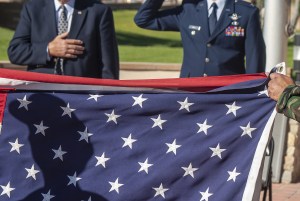 Americans (and most likely other people) are having trouble with symbols lately – establishing what they mean, recognizing them as symbols, and, especially agreeing on what they mean. There is a whole field of study that covers this, called “semiotics.”
 My cat has a magnet in her nose. My husband does not.
 Unfortunately, as the saying goes, “Gravity is not just a good idea; it’s the law.” That may be true, but I am seriously considering a career as a lawbreaker, an avocation as a scofflaw. I might even argue the point as a lawyer.
 I read all those posts about what women over a certain age shouldn’t do – wear message t-shirts or leopard prints, for example – and promptly ignore them. I have a great collection of t-shirts (including a Deadpool one) and leopard-print flats and a leopard-print bathing suit. If I stay away from a style of clothing, it’s because I don’t like it (the “cold shoulder” look comes to mind).
 But I Digress . . .